Native wild violets (Viola sp.)
Bonus content for How to save the world with plants #03 by @cast-iron-garden.bsky.social
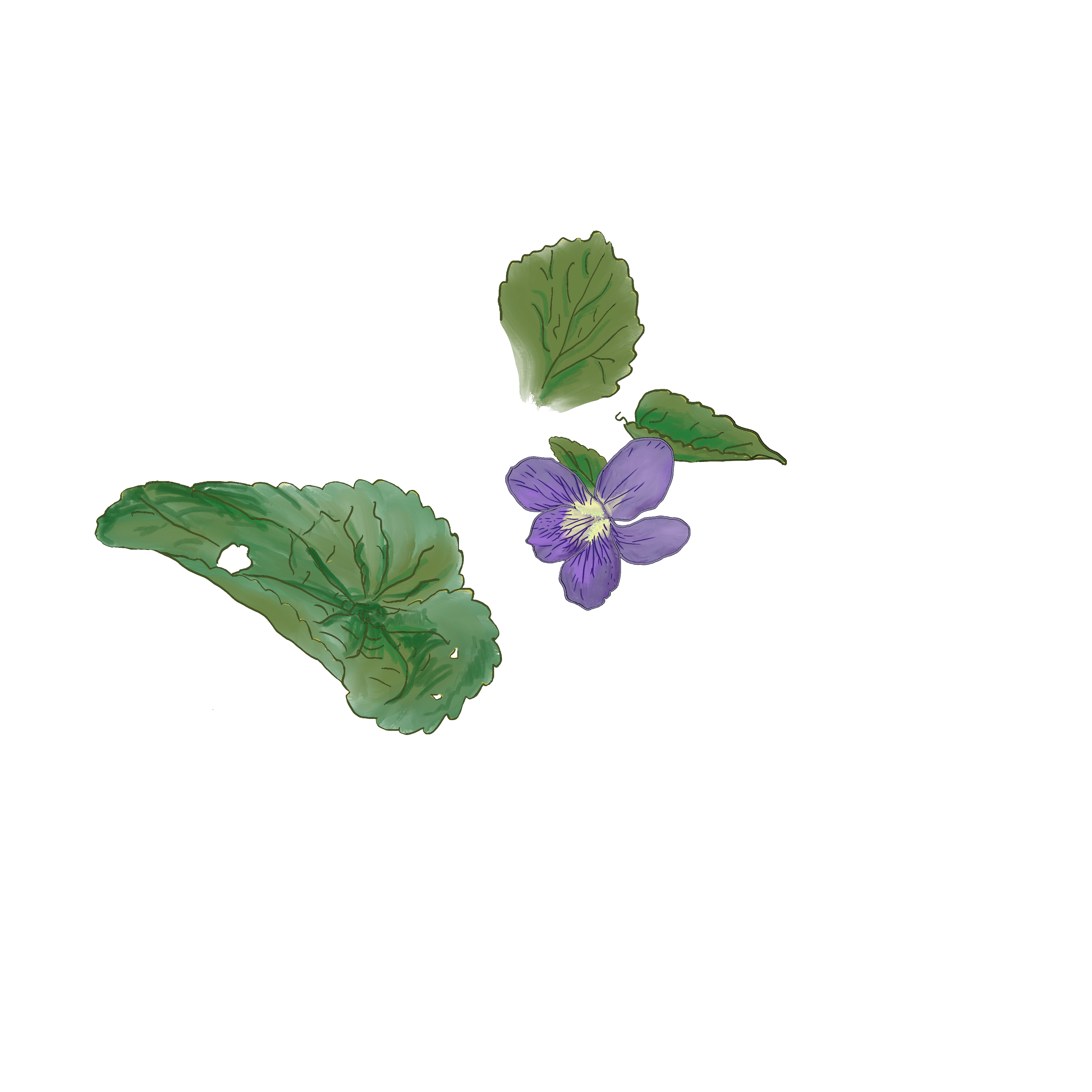
Wild violets are great early nectar sources for pollinators in the first ups and downs of spring.
Missouri Violets
The perennial wild violets here are known as Viola sororia or Viola missouriensis (sometimes classified as a variety or subspecies of sororia).
Habitat
Moisture
- Dry: yes
- Medium dry: yes
- Average: yes
- Medium wet: yes
- Wet: yes
- Spring flooding: yes
Light
- Full shade: yes
- Part shade: yes
- Full sun: yes, with moisture
Soil types
- Sand: yes
- Loam: yes
- Clay: yes
- Shallow: yes
- Potting soil: yes
- Well drained: yes
- Poorly drained: yes
Disturbance
- Can be mowed and will re-bloom
- Can be stepped on and recovers quickly
- Colonizes empty pots relatively quickly within 1-2 years if near a source plant
Thatch and leafy layers
- Generally will come up through shallow layers of leaves
- Heavier leaf layers (3 to 5 inches or more) are more difficult
Interactions with other plants
Can coexist with
- White avens (Geum canadense)
- Leavenworth’s sedge (Carex leavenworthii)
- Physalis cinerescens
- Heterotheca subaxillaris (gets tall later)
- Horseherb
- Red columbine
- Solomon’s Seal (Polygonatum biflorum)
- Erigeron species
- Mexican Plum
- Eastern Redbud
Even in ideal habitat, can be outcompeted by
- Solidago canadensis
- Solidago altissumum
- Solidago speciosa
- Fall obedient plant
- Rudbeckia lacinata
- Native Wild Rye (Elymus species)
- Inland sea oats
- Blue mistflower
In its ideal habitat, this species can outcompete
- Oxalis violacea
- Baby ferns
- Sedum nutallii
- Sedum pulchellum
Cultivation
If you have some and want more, you can divide them when they are not blooming. Flag or note the heart-shaped leaves in larger clusters, dig them up, divide them, and replant.
Root type: fibrous and divisble - Grows in clumps that can be split by hand or tool - Seed pods explode but enough stick to collect some
Where can I get wild perennial violets for Oklahoma?
- Ask a neighbor if they have any!
- Divide existing plants in your yard to cover more area.
Plants (potted or bare roots)
Seeds
Annual violets
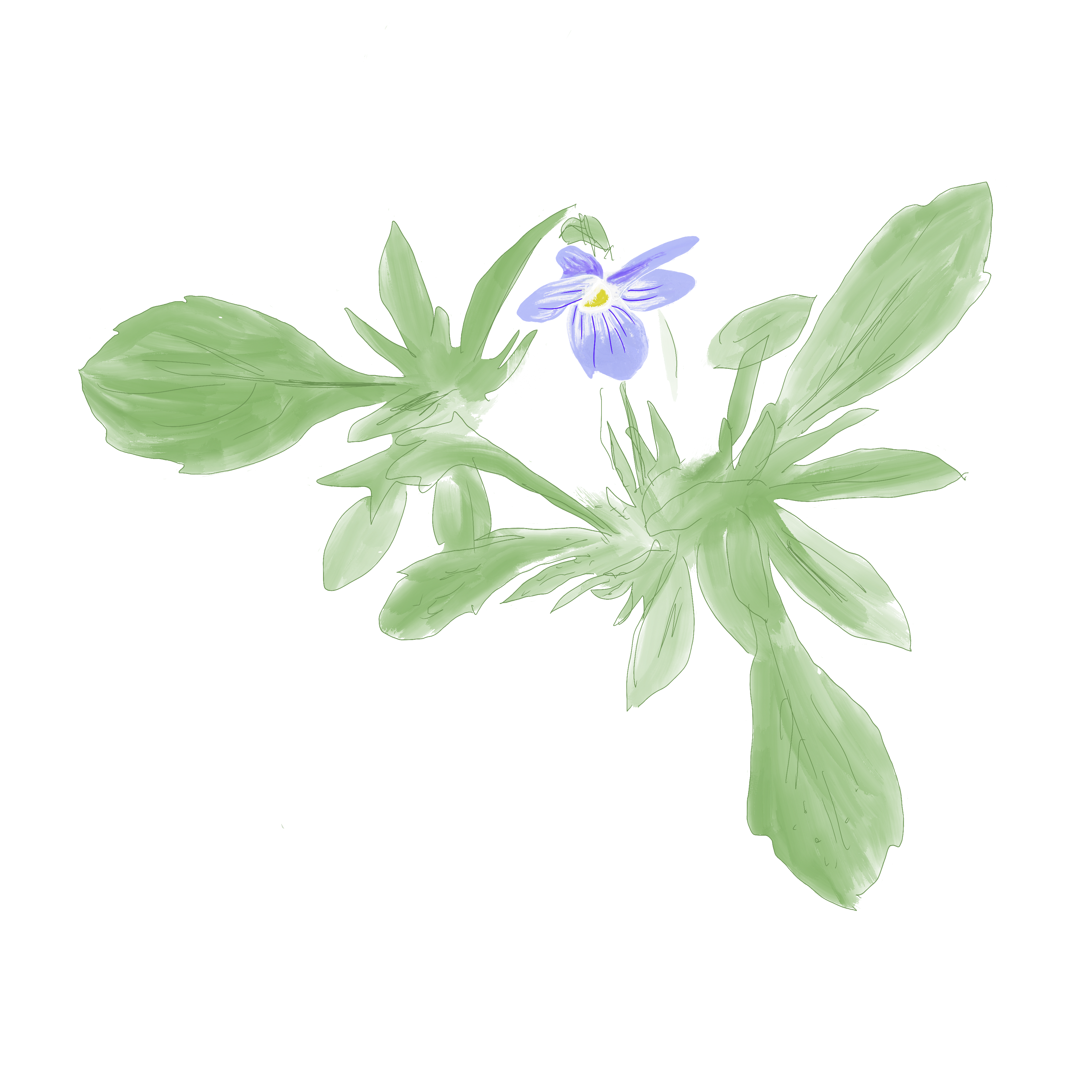
It’s also annual wild violet season! The native annual wild violets are known as field pansies, violets, or johnny jump ups. (Beware, there are non-native violets also labeled as johnny jump ups - I’ve not seen the annual native ones for sale). The scientific name is listed as either Viola bicolor or Viola rafinesquei. They thrive in full sun and sandy soils. They do especially well where there’s not a lot of competition; tons of them sprout in our vegetable beds every year. They peak in March but you can continue to find and spread seeds into April.
Habitat
Moisture
- Dry: yes
- Medium dry: yes
- Average: yes
- Medium wet: yes
- Wet: yes
- Spring flooding: unknown
Light
- Full shade: no
- Part shade: yes
- Full sun: yes
Soil types
- Sand: yes
- Loam: yes
- Clay: yes
- Shallow: yes
- Potting soil: yes
- Well drained: yes
- Poorly drained: no? need to test
Disturbance
- Recently disturbed areas with bare soil are best, such as vegetable gardens or gaps in a lawn.
- Can be mowed and will re-bloom
- Will be nicer looking if not stepped on.
Thatch and leafy layers
- Generally cannot push through layers of leaves
- Thick grass thatch sometimes is a deterrent but can come up through buffalograss
Temperature
- Germinates in winter, can take hard freezes. The lowest temperature I have recorded for adult plants is 23 degrees F but they can likely go lower.
Cultivation
Propagation notes
Root type
- Fibrous
Seeds
- Does it need cold stratification? Unknown.
- Does it need scarification? No.
- Should they be buried? No.
- Seed pods explode but enough stick to collect some
Where can I get wild annual violets for Oklahoma?
- Ask a neighbor if they have any!
- Watch existing plants in your yard for seed pods exploding
- Before they bloom, transplant existing plants from your yard to new locations. Water carefully until established.
- I have not seen this species available commercially. Please contact me if you know of a reputable source!
Interactions with other plants
Can coexist with
- Buffalograss
- Claytonia virginica
- Oxalis stricta
- Perennials or annuals that arise later in the year (after late April) and don’t block next year’s sowing surface
Even in otherwise ideal conditions, can be outcompeted by
- Bermudagrass lawns (non-native)
- Bedstraw (grows at the same time in spring)
- Most perennial tall prairie species, some examples include
- Callirhoe involucrata
- Showy evening primrose
- Coreopsis lanceolata (has leaves all winter)
- Penstemon laxiflorus
In its ideal habitat, this species can outcompete
- Houstonia pusilla
- Houstonia rosea
What is the function of Violas in the ecosystem…
in Oklahoma?
Variegated Fritillary butterfly populations are having trouble in the United States. - They are declining in our region and another region - Uncertain (possibly declining) in two other regions - Increasing only in one region.
This is one of our most common butterflies that also eats more than just violets, so for a non-specialist like this to be declining is alarming!
You can read more about this butterfly on iNaturalist.org.
elsewhere?
In the eastern states (not Oklahoma), violets are host plants for a specialist bee, called the Violet Miner.